
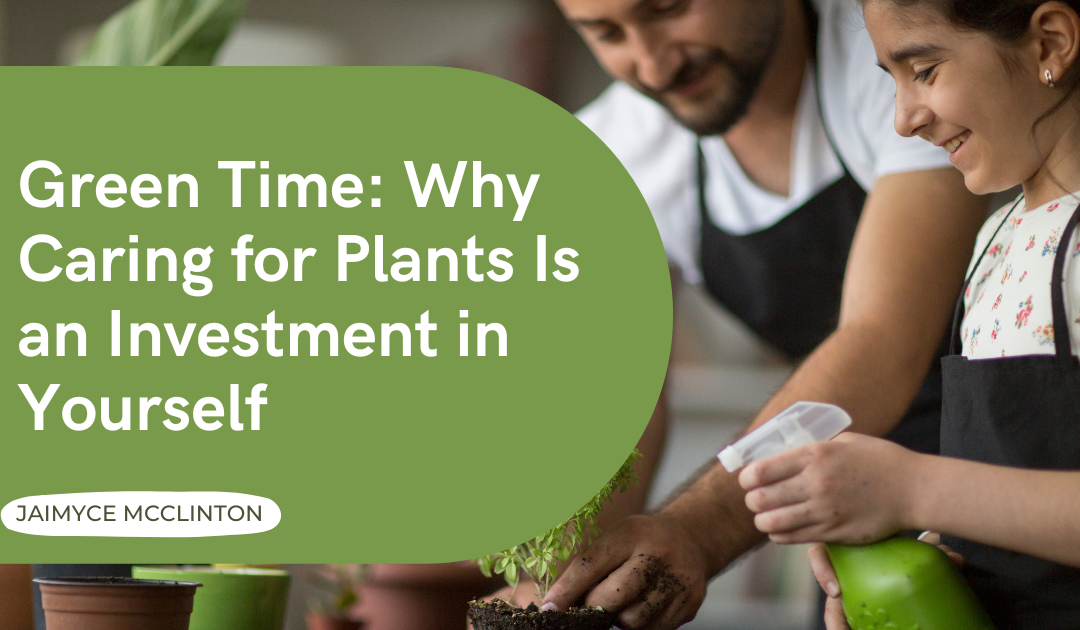
In a world filled with notifications, deadlines, and constantly changing demands, finding time to slow down can feel like a luxury. Yet sometimes, creating a calmer routine does not require a major lifestyle change. It can begin with something as simple as watering a plant, touching the soil, removing a dry leaf, or watching a new bud appear.
Caring for plants is more than a household chore. It can become a form of personal investment—one that encourages patience, mindfulness, responsibility, and a stronger connection with the natural world.
Making Space to Slow Down
Plant care naturally encourages people to pause. Unlike many modern tasks, plants cannot be rushed. They grow according to their own rhythm, reminding us that not everything responds instantly to effort.
Spending a few quiet minutes tending to plants can create a break from screens and busy schedules. Checking the soil, observing leaves, or arranging plants around a room gives attention a simple, tangible focus.
These small moments can make a routine feel less hurried. Instead of constantly moving toward the next task, plant care encourages us to notice what is happening right now.
Learning the Value of Consistency
Plants thrive through regular care rather than occasional bursts of attention. They need appropriate light, water, nutrients, and maintenance over time. This makes gardening a practical reminder that meaningful results often come from consistency.
The same principle applies to personal growth. Learning a skill, developing a healthy routine, strengthening relationships, or pursuing a long-term goal rarely produces dramatic results overnight.
A plant may appear unchanged for weeks before producing a new leaf. That quiet progress can remind us that growth is not always immediately visible. Continuing to care, even when results seem small, can be valuable in our own lives as well.
Building a Relationship With Responsibility
Taking care of a living thing creates a different kind of responsibility. A plant depends on its environment and the attention it receives. Over time, people begin to understand its patterns—when it needs water, where it grows best, and when something seems wrong.
This responsibility does not have to feel burdensome. Instead, it can create a sense of purpose. Knowing that a small action can contribute to something else’s growth can make everyday routines feel more meaningful.
For children and adults alike, plant care can provide an accessible way to experience responsibility while observing the results of consistent attention.
Creating a Better Environment
Plants can also influence how a space feels. A few carefully chosen plants can add color, texture, and a sense of life to an otherwise ordinary room. Caring for them encourages people to pay closer attention to their surroundings.
This can lead to a broader realization: our environments affect how we experience everyday life. Creating a space that feels welcoming and alive can encourage us to spend more intentional time there.
A windowsill, balcony, desk, or small corner can become a personal place of connection with nature.
Growth Does Not Have to Be Perfect
Perhaps one of the most valuable lessons plants offer is that imperfection is part of growth. Leaves turn yellow, branches become damaged, and some plants simply do not thrive in certain environments.
That does not mean the effort was wasted.
Plant care teaches us to observe, adjust, and try again. Sometimes a plant needs more light; sometimes it needs less water. The solution is not always to give up, but to understand what needs to change.
Personal growth can work the same way. Setbacks can provide information rather than defining failure.
Investing in the Person You Are Becoming
Caring for plants may take only a few minutes each day, but its lessons can extend far beyond the garden or windowsill. It encourages us to slow down, notice small changes, practice consistency, and appreciate progress that takes time.
The greatest value of “green time” may not be the number of plants we grow. It is the opportunity to create a routine that reconnects us with patience and purpose.
In a culture that often celebrates speed and instant results, plants offer a quieter message: growth takes time, care matters, and small efforts can eventually become something remarkable.
Investing a little time in plants may therefore be another way of investing in ourselves—one leaf, one day, and one small act of care at a time.